Wintent cotton canvas camping hunting tents are among the most recognized products in the Wintent outdoor shelter lineup. Designed for camping, hunting, overlanding, and extended outdoor stays, Wintent tents include cotton canvas bell tents from 3M to 7M, hard shell and soft shell rooftop tents, SUV-compatible shelter systems, and portable awning solutions. The Wintent catalog currently spans multiple shelter categories, including cotton canvas camping hunting tents, 4 season tent configurations, rooftop tents, and SUV tent models. This guide provides specifications, product comparisons, setup information, construction details, and an overview of the available Wintent outdoor shelter systems.
Every PlayDo and WINTENT canvas bell tent uses 300GSM cotton construction — heavy enough for four-season use, breathable enough to cut the condensation that makes synthetic tents miserable in the morning.
Bell tents, rooftop tents, tailgate tents, and car awnings sit in one place — so whether you're sleeping off the roof of a truck or pitching a 6M canvas yurt, the product is here without hunting across five different brands.
Several WINTENT and PlayDo products ship directly from US warehouses, with delivery confirmed at 5–10 days on bell tent listings and 5–8 days on tailgate tent listings — no six-week overseas wait on the products you need most.
Fabric weight in GSM, waterproof ratings in millimeters, floor dimensions in feet, packed weight in pounds — every product listing leads with numbers that mean something rather than adjectives that don't.
WINTENT's canvas bell tents, rooftop tents, tailgate tents, and car awnings each solve a different version of the same problem — getting comfortable shelter set up fast, wherever your vehicle takes you. The bell tent line handles base camps; the vehicle-mounted lines handle setups where the truck is part of the shelter itself.
Hard shell, soft shell, and inflatable RTTs for trucks, SUVs, and jeeps — including a foldable model that packs to just 150×26×64cm and an inflatable Guard Dog design with a 2.5mm ABS outer shell and 10cm TPU air column support.
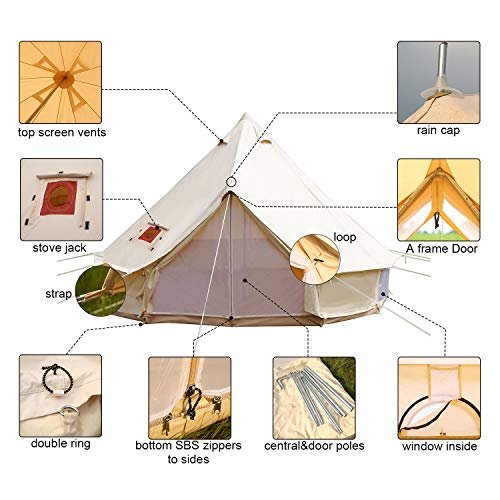
Cotton canvas from 3M to 7M with 300GSM construction, φ5" stove jacks standard on most sizes, and PVC floors that zip out when the ground is dry. Built for families, glamping setups, and hunters who need a warm shelter in December.
One lightweight awning at 6.5 lbs with a 7.8ft × 6.2ft shade footprint, aviation aluminum frame, and B3 mesh side panels. Works off the back, sides, or independently with poles — honest about its limitations, useful for exactly what it promises.
A single model in two configurations — rainfly-only or screen room — that attaches to the back of SUVs, hatchbacks, CUVs, and minivans. The 15.9ft × 7.9ft footprint turns your hatch into a real living space without requiring you to sleep in the cargo area.
Browse the complete brand catalog with up-to-date pricing on Amazon.
These 12 products cover the full spread — from the PlayDo Bell Tent in its most popular multi-size configuration (61 ratings, 4.5 stars) to the WINTENT inflatable RTTs that first-time rooftop buyers keep landing on after comparing hard shells at three times the weight. The bell tents dominate on review volume; the vehicle tents are newer but filling a gap that most established brands haven't bothered with.
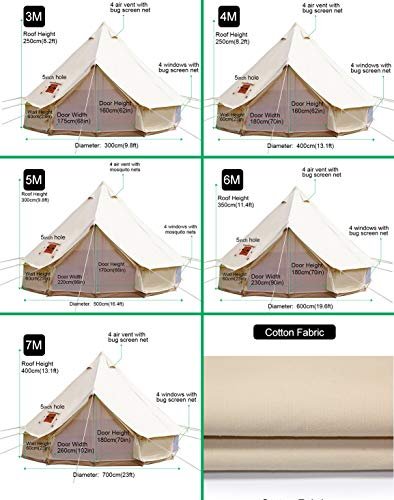
The PlayDo and WINTENT bell tent line covers more size configurations than most canvas tent brands offer — from the compact 7.2ft × 7.2ft teepee for two adults up to the 23ft × 23ft 7M bell tent that packs at 132 lbs but sleeps a serious group. Every main bell tent uses 300GSM cotton canvas, most include a φ5" stove jack with fire-resistant surround, and all come with poles, stakes, and carry bags in the box. The stargazing yurt adds two skylight windows with blackout curtains — a feature that's genuinely rare at this price tier.
Every bell tent in the Wintent and PlayDo lineup lists a rated capacity that deserves a second look before you buy. The honest number — the one that makes camping comfortable rather than miserable — is almost always two to four people fewer than what the listing says. Here's what the numbers actually mean on the ground.
Canvas bell tent capacity ratings assume shoulder-to-shoulder sleeping pads with zero gear inside the tent. In real camping conditions, that means no cots, no bags, no coolers, no boots near the door, and no stove. The moment you add any of those things — which most people do — the usable floor area shrinks fast. One r/camping user put it directly: "It says 8, but if people are on even single skinny air mattresses, it's not 8 people." That's accurate. The 7M PlayDo Bell Tent lists a 10–12 person capacity and has 529 square feet of floor area — but that floor tapers sharply at the edges under the bell slope, leaving a much smaller area where adults can actually sleep flat without their feet hitting canvas.
| Diameter | Floor Area | Casual Camping with Gear | Glamping with Cots | Hot Tent with Wood Stove |
|---|---|---|---|---|
| 3M (9.8ft) | ~75 sq ft usable | 1–2 adults | 1 adult on a cot | 1 adult + stove — tight |
| 4M (13ft) | ~125 sq ft usable | 2–3 adults with gear | 2 adults on cots | 2 adults + stove |
| 5M (16.4ft) | ~200 sq ft usable | 3–4 adults with gear | 3–4 adults on cots | 3 adults + stove with clearance |
| 6M (19.6ft) | ~285 sq ft usable | 4–6 adults with gear | 4 adults on cots, room to move | 4 adults + stove comfortably |
| 7M (23ft) | ~395 sq ft usable | 6–8 adults with gear | 5–6 adults on cots | 5–6 adults + stove with full clearance |
Usable floor area figures are estimates based on standard bell tent geometry — the round floor tapers to sleeping-height canvas at roughly 3.5–4 feet from the perimeter depending on the tent's sidewall height. The PlayDo bell tents have a 23-inch (60cm) sidewall on the 3M–6M sizes, which gives you a little more usable edge space than tents with lower sidewalls.
Running a wood stove through the φ5" stove jack changes the math significantly. A stove itself typically requires 18–24 inches of clearance on all sides from flammable material — that's a 3–4 foot diameter footprint in the center or near-center of the tent floor. Add the stove pipe running to the jack, and you're losing roughly the sleeping space equivalent of one or two adults from whatever configuration you planned. The WINTENT Stargazing Glamping Yurt lists 6–8 person capacity with a 16ft × 15ft floor and 240 square feet — with a stove set up inside, plan for 4 adults with cots, not 6.
Size up one step from whatever the listed capacity suggests for your actual group. If you're four adults who camp with real gear, look at the 5M or 6M. If you're two adults who want a proper glamping setup with a cot, side table, and stove, the 4M is the right call rather than squeezing into a 3M. The PlayDo Bell Tent line in 5M weighs 77 lbs packed — going up to 6M adds about 20 lbs and significantly more floor space. For most groups, that's a worthwhile trade.
Seasoning a new canvas tent is the single most important step first-time canvas owners skip — and the one most likely to result in a 1-star review that says "my tent leaked." It's not a defect. It's a known characteristic of 100% cotton canvas that every manufacturer in this category deals with, including the 300GSM cotton used across the PlayDo and WINTENT bell tent lines.
Cotton canvas is woven from natural fibers. When the fabric is cut and sewn, the needle creates small holes in the weave at each stitch point. In dry conditions, those holes are open. When cotton gets wet, the fibers absorb water and swell — physically closing the needle holes and tightening the weave until the fabric sheds rain rather than letting it through. The PU coating on a new canvas tent (rated at 3000mm on the PlayDo bell tent line) handles rain on the fabric panels themselves. But the seams — every stitch line — need one or two wet-and-dry cycles before the cotton fibers have swelled enough to seal properly. Skipping this step and camping in heavy rain on night one is where most first-time canvas buyers have a bad experience.
Normal: small water droplets forming on the interior surface of seams during the first rain on an unseasoned tent. Normal: slight discoloration of the canvas around seams after the first wetting. Normal: the canvas feeling stiff and tight after drying — that's the fibers doing what they're supposed to do.
Not normal: large amounts of water pouring through the fabric panels (not just seams) after seasoning is complete. Not normal: the PVC floor failing to seal at its zipper connection to the canvas sidewall — if that junction leaks, check that the zipper is fully closed and the cover flap is deployed over it. If the fabric panels themselves are letting water through after two full seasoning cycles, that's a genuine quality issue worth contacting the seller about.
The φ5" stove jack on PlayDo and WINTENT bell tents comes with a rain flap that covers the hole when the stove isn't in use. Close that flap during the seasoning hose-down — you want the canvas around the jack to season normally, but there's no reason to run water directly through the hole. During actual use in rain with a stove running, the chimney pipe extending above the tent roof keeps water from entering the jack; the oval flashing kit covers the surrounding canvas. Make sure the flap is secured and the pipe extends above the roofline before sleeping in rain with a stove running.
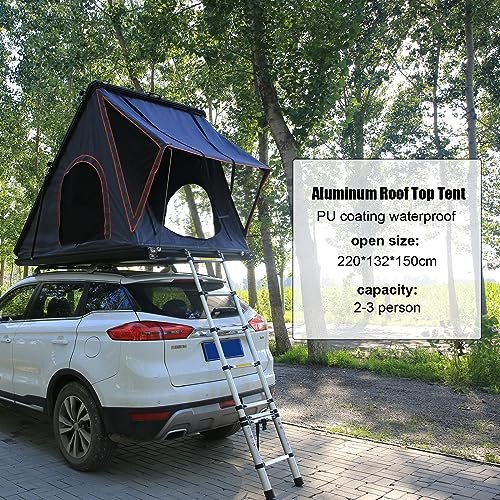
Three distinct RTT formats cover the main buyer types in this category: the Triangle Hard Shell pops open via hydraulic support system from a 225×145×26cm pack profile; the Foldable RTT uses four honeycomb aluminum base plates and folds to an ultra-flat 150×26×64cm for tight garage clearance; and two inflatable options give buyers who want fast solo setup an alternative to traditional pole-and-fabric systems. All RTT models include a 230cm aluminum telescopic ladder. Check your vehicle's static roof load rating before ordering — the Foldable RTT weighs 20kg (44 lbs), the Inflatable RTT with Awning weighs 33kg (73 lbs), and that's before adding your rack and bedding.
Before ordering any rooftop tent — Wintent's or anyone else's — you need one number from your vehicle's owner's manual: the static roof load rating. This is not optional, and it's not something you can estimate. Exceeding your vehicle's roof load rating is a structural safety issue, and as the Expedition Portal community notes, it's surprisingly easy to do once you add a full-size rack plus a tent plus bedding.
Your vehicle has two roof load ratings, and they mean different things. The dynamic roof load (sometimes called "roof load in motion") is the weight your roof can carry while driving — this is usually the lower number, often 150–165 lbs on mid-size SUVs. The static roof load is the weight your roof can support while parked — always higher, sometimes 330–440 lbs on trucks and body-on-frame SUVs. Rooftop tent ratings always reference static load because the tent is only occupied while parked. But you drive with the tent on the roof, so the dynamic rating limits how much total weight you can mount — tent plus rack plus bedding combined must stay under the dynamic figure while moving.
Check the owner's manual under "roof load" or "roof rack load." If it isn't there, the manufacturer's website technical specs page usually has it. Some vehicles print both dynamic and static ratings; others list only one. If your manual only lists one number and doesn't specify which, assume it's the dynamic (more conservative) figure. Car enthusiast forums for your specific model are often more reliable than the general manufacturer page for finding confirmed numbers.
| Model | Packed Weight | Open Size | Packed Size | Shell Type |
|---|---|---|---|---|
| WINTENT Foldable RTT | 44 lbs (20 kg) | 83 × 51 × 55 inches | 59 × 10 × 25 inches flat | Foldable soft |
| WINTENT Inflatable RTT with Awning | 73 lbs (33 kg) | 87 × 63 × 54 inches | 43 × 49 × 98 cm bag with wheels | Inflatable |
| WINTENT Inflatable RTT (Guard Dog) | Not listed | 86 × 57 × 55 inches | 64 × 37 × 16 inches | Inflatable (ABS + TPU) |
| WINTENT Triangle Hard Shell RTT | Not listed | 87 × 52 × 59 inches | 89 × 57 × 10 inches | Hard shell aluminum |
| WINTENT Soft Shell RTT | Not listed | 94 × 55 × 51 inches | 57 × 49 × 12 inches | Soft shell |
For models where packed weight isn't listed in the product data, check the current Amazon listing before purchasing — weight specs occasionally update as production batches change. Add your roof rack weight (typically 20–45 lbs for crossbar systems, 50–80 lbs for full rack platforms) to the tent weight, then compare that total against your vehicle's dynamic roof load rating. Whatever's left is your budget for bedding and gear stored in the tent while driving.
All Wintent RTTs mount to standard crossbar-style roof racks via included mounting hardware or webbing straps. The Foldable RTT and Hard Shell models require crossbars with accessory channels or flat bars — check whether your rack is round bar, square bar, or T-slot, and confirm the mounting hardware is compatible before installation. The Inflatable RTT with Awning specifically states it fixes to roof rack bars via webbing; the listing confirms solo installation is possible at 33 kg. Anything heavier than roughly 50 lbs is a two-person roof job without a hoist.
If you're mounting a hard shell or heavier inflatable RTT solo, the WINTENT RTT Hitch Hoist (440 lb working load limit, adjustable height, 4-wheel base plate) is what makes that feasible without a second person or a precarious ladder-and-shoulder routine. It breaks into three pieces for storage in its included box. It's not a small investment, but anyone who's tried to wrestle a 73 lb inflatable tent onto a truck roof alone understands why it exists.
Most rooftop tents handle winds up to 20 mph without issue when properly mounted on a solid rack. Beyond 30 mph, exercise real caution regardless of what any listing claims — a tent on a roof is a sail, and the roof load stress increases significantly in sustained wind. The Wintent RTT listings don't publish a specific wind rating; in the absence of that data, treat any RTT as a calm-to-moderate-weather shelter and plan to descend and close the tent if conditions deteriorate overnight.
The WINTENT SUVTENT-1 is one model offered in two distinct setups: a rainfly-only configuration for weather protection with an open-air feel, and a screen room configuration that adds a fully enclosed second room for bug protection without losing ventilation. Both share the same 15.9ft × 7.9ft × 6.4ft footprint, 190T polyester construction with 3000mm waterproof rating, taped seams, and two mesh windows. They attach to the back of SUVs, hatchbacks, CUVs, and minivans — the vehicle stays parked while the tent is deployed. Ships from a US warehouse with 5–8 day delivery.
One product, honestly presented. The PlayDo Portable Car Awning weighs 6.5 lbs and packs to a 20×7 inch roll — the lightest item in the entire catalog. Its 7.8ft × 6.2ft × 6.5ft shade footprint fits a couple of camp chairs, a small table, and a camp stove underneath with room to move. The aviation aluminum top frame and 210T polyester fabric with B3 mesh panels handle light rain and sun without drama. At 3.6 stars across 41 reviews, it's the lowest-rated product in this catalog, and the reasons are worth knowing: setup requires more guying than the listing suggests in any wind, and the included 2 vertical poles cover only two of the four corners (the other two need poles you buy separately).
The four Wintent product lines solve four different versions of the same problem — getting comfortable shelter set up fast from wherever you parked. The right choice depends less on preference and more on what your vehicle is, where you sleep, and how many people you're bringing. Here's how to think through it.
Choose a canvas bell tent if you're setting up a fixed base camp and plan to stay for more than one night. Bell tents don't move with your vehicle — you pitch them on flat ground, stake them out, and leave them standing. The trade-off is that they're heavy (the 5M PlayDo Bell Tent packs to 77 lbs; the 6M wall tent with stove jack is 117 lbs) and genuinely require two people to set up comfortably for the larger sizes. What you get in return is a structure that breathes like cotton should, stays noticeably warmer than a synthetic tent in cold weather, and can safely run a wood stove inside through the φ5" stove jack. This is the right line for families planning a long weekend, glamping hosts who want the photos to justify the setup, or hunters who need warmth in December.
Choose a rooftop tent if you're moving campsites every night or two, your vehicle has a roof rack with crossbars, and sleeping on the ground isn't something you're willing to negotiate on. RTTs get you off the dirt, away from rocks and moisture, and set up in minutes once the tent is mounted. The critical pre-purchase step nobody skips twice: check your vehicle's static roof load rating in the owner's manual before ordering. The lightest Wintent RTT (the Foldable, at 44 lbs) plus a typical roof rack adds up fast. This line is for truck and SUV owners who camp at multiple spots per trip and want the tent to live on the roof full-time.
Choose a tailgate tent if you own an SUV, hatchback, CUV, or minivan and want to extend your vehicle's interior into a real shelter without sleeping on the cargo floor. The WINTENT SUVTENT-1 attaches to the back of your hatch and creates 15.9ft × 7.9ft of covered space — rain protection with the Rainfly variant, or a fully enclosed two-room bug-proof setup with the Screen Room variant. This one is for car campers who want more livable space than the cargo area offers but don't want to deal with a separate tent footprint. Confirm your vehicle's hatch opens fully and stays up without a prop before ordering.
Choose the car awning if you need portable shade for an afternoon and don't need walls. The PlayDo Portable Car Awning at 6.5 lbs is the lightest product in the catalog — it deploys off the back, sides, or as a freestanding lean-to, and covers enough ground for three or four people to eat and sit without the sun punishing them. It's not a sleeping shelter. It's not especially wind-resistant without proper guying. At its 3.6-star rating across 41 reviews, it's worth being honest: it's a convenience product for fair weather, not a serious four-season shelter. Buy it for what it is and it delivers. Expect it to be something else and it won't.
If you're still deciding between a bell tent and an RTT, ask one question: does your campsite change every night? If yes, rooftop. If you stay put for two or more nights at a time, the bell tent's space and warmth justify its weight. The two lines don't really compete with each other — they serve different camping styles.
We picked this walkthrough because it puts a 4M canvas bell tent through a real-world test — not a backyard photo shoot. You'll see how the tent sets up, how the canvas performs, and what to expect from an entry-level option in this size class. It's a useful baseline for understanding what 4M actually looks like with gear inside, which is something the spec sheet never tells you.
Expect two to four people fewer than the listed capacity rating. The 7M PlayDo Bell Tent lists 10–12 people but comfortably sleeps 6–8 adults with sleeping pads and gear — fewer with cots or a wood stove taking up floor space. Rated capacity assumes shoulder-to-shoulder sleeping with zero equipment inside. Size up one step from whatever your group actually needs.
Yes — and skipping this step is the single most common first-buyer mistake. Set up the tent, soak it with a garden hose, let it dry completely, then repeat once. Cotton fibers swell when wet and close the needle holes left by stitching, sealing the seams. Some moisture transfer through unsealed seams on the very first rain is normal, not a defect. After two wet-and-dry cycles, the tent will shed rain properly.
The stove jack on PlayDo and WINTENT canvas bell tents has a φ5-inch opening with fire-resistant material around the cutout. The oval flashing kit covers the hole completely when the pipe is installed. Most single-wall wood stove pipes at 4–5 inch diameter will pass through this jack — confirm your stove pipe's outer diameter before buying. The rain flap covers the jack when the stove isn't in use.
The static and dynamic roof load ratings are in your owner's manual under "roof load" or "roof rack capacity." The dynamic rating (while driving) is lower than the static rating (while parked). Your total roof-mounted weight — tent plus rack plus bedding — must stay under the dynamic figure while driving. Mid-size SUV dynamic ratings typically run 150–165 lbs; body-on-frame trucks often allow more. When in doubt, check manufacturer forums for your exact model year.
The WINTENT SUVTENT-1 (both the Rainfly and Screen Room variants) is designed for SUVs, hatchbacks, CUVs, and minivans — vehicles with a rear hatch that opens upward. It attaches to the vehicle's rear opening and requires the vehicle to stay parked while deployed. Confirm your hatch opens fully and holds its position before ordering. Pickup trucks with a traditional tailgate require a different product type.
Both share the identical 15.9ft × 7.9ft × 6.4ft footprint, 190T polyester construction, 3000mm waterproof rating, and taped seams. The Rainfly variant provides weather protection and shade with an open-air configuration. The Screen Room variant adds a fully enclosed second room with mesh walls — the upgrade to choose if insects are the main concern rather than rain. Both ship from a US warehouse at 4.44 kg.
Most rooftop tents, including Wintent's RTT line, handle winds up to 20 mph reliably when mounted on a solid rack with proper crossbars. Beyond 30 mph, sustained wind creates real structural stress and should prompt descending and closing the tent. Winds at 39 mph or above (gale force) risk damage to any RTT regardless of construction quality. Wintent RTT listings don't publish a specific wind speed rating — treat all RTTs as moderate-weather shelters and monitor forecasts before overnight use.
For base camp setups where weight doesn't matter, yes — 300GSM cotton canvas breathes in a way that synthetic fabrics don't, which means significantly less condensation on cold mornings inside the tent. Canvas also regulates temperature better in both heat and cold. The trade-offs are real: the PlayDo 5M bell tent packs to 77 lbs versus under 10 lbs for a comparable nylon dome, and canvas requires seasoning before the first rain. If you're backpacking, synthetic wins. If you're car camping and staying put, canvas comfort over multiple nights is worth the weight.
Yes — the listing confirms the Foldable RTT is detachable from the base plate and can be used as a standalone ground tent. The four honeycomb aluminum base plates unpack separately. This makes it genuinely dual-purpose: mount it on the roof of your SUV, truck, or jeep for vehicle camping, or detach it for nights when you need a ground footprint instead. It fits 2 adults and packs to 59 × 10 × 25 inches in flat profile when folded.
The PlayDo Portable Car Awning (7.8ft × 6.2ft × 6.5ft, 6.5 lbs) can attach to the rear of a hatchback, van, or teardrop trailer — the rear wheel tie point provides the most stable vehicle attachment. It can also run along the vehicle's side or stand as an independent lean-to with four poles (only 2 vertical poles are included; the other 2 need to be purchased separately). The aviation aluminum top frame and adjustable steel pole legs are the main structural elements; sandbag anchors are included for pole stability.
PlayDo and WINTENT bell tents ship with the tent body, center pole, door pole(s), tent floor, rain cap, stove jack (on models with stove jack), flue flashing kit, guy ropes, stakes, and a carry bag — everything needed to set up without a separate parts order. The WINTENT Bell Tent Top Tarp (a separate SKU) ships with the tarp, stove jack, guy ropes, and carry bag. Verify the specific included components on the Amazon listing for your size and variant before purchasing.
A well-maintained 300GSM cotton canvas bell tent typically lasts 10–15 years with regular use — significantly longer than a comparable nylon or polyester tent. The main enemies are improper storage (packing while damp causes mildew that degrades the fibers permanently) and UV exposure over many seasons without a top tarp. The WINTENT Bell Tent Top Tarp is specifically designed to extend bell tent life by shielding the canvas from bird droppings, wet debris, and prolonged sun during extended setups.
"I bought the 5M PlayDo bell tent for a family of four and honestly I'd size up again if I did it over. With two adults, two kids, four sleeping pads, and a small gear pile near the door, we filled it faster than I expected. That said — we stayed dry through three solid rain days after I did the seasoning hose-down beforehand, and the center height at 9.8 feet means nobody's hunching. The SBS zippers held without a problem through 12 nights of use."— Rachel T., Canvas Convert upgrading from a 3-season nylon dome, on canvas bell tent
"The stargazing skylights on the WINTENT yurt are worth the size. We used the blackout curtains for afternoon naps and opened them up at night — genuinely one of the better camping experiences I've had. The 9 wall poles make it feel solid even in the wind. Setup took two people about 45 minutes the first time, closer to 25 on the second trip once we figured out the wall pole sequence."— James P., Glamping Host planning multi-night family trips, on canvas bell tent
"Running a wood stove through the φ5-inch jack all winter season, zero issues with the flashing kit. The fire-resistant surround around the cutout looks bomber — it's not just a thin ring. I'm in a 6M PlayDo wall tent with stove jack and the space with a stove set up realistically fits three adults comfortably. Four is workable but you notice the stove footprint eating into the floor plan."— Derek M., Hunter using the tent as a winter base camp shelter, on canvas bell tent
"The foldable RTT's pack profile sold me — 59 inches long, 10 inches thick when folded. It actually clears my garage ceiling unlike the hard shells I was looking at. The honeycomb aluminum floor panels feel solid with no flex even parked on an uneven gravel site. I weighed the full setup against my truck's roof load rating before ordering and came in under the dynamic number with about 30 lbs to spare for bedding."— Carlos V., Rooftop Tent First-Timer on a mid-size truck with factory crossbars, on roof top tent
"The Screen Room variant is the right call for summer camping in the Southeast. We used it on a Subaru Outback hatchback — hatch opens fully and holds position, tent attached without any issues. The second room keeps bugs out completely while the front awning stays open for airflow. My one honest note: get someone to help with initial setup. I did it solo the first time and it took almost an hour. The second time with two people was 20 minutes."— Maria L., Vehicle Camper looking for livable space off the back of an SUV, on tailgate tent
"For what it is — a 6.5 lb shade solution that lives in the trunk — the PlayDo awning does its job. I use it off the back of my van at day-use spots where I don't need a full shelter setup. Be honest with yourself that you need extra poles if you want all four corners free of the vehicle, and stake it down if there's any wind at all. On a calm day at the beach or a parking lot tailgate, it's exactly right."— Nina S., Weekend car camper using the awning for day-use shade and roadside stops, on car awning tent
WINTENT and PlayDo operate under the same store umbrella on Amazon, and the two brand names reflect different product development paths rather than different companies. PlayDo came first, building canvas bell tents — the round-floor, single-pole cotton structures that have been pitched at campsites and festivals for over a century. The focus was straightforward: take a proven shelter format, source 300GSM cotton canvas with proper PU coating, and sell it at a price point that didn't require a Whiteduck or CanvasCamp budget. The PlayDo Bell Tent (Multi-Size) became the anchor of that effort, accumulating 61 ratings at 4.5 stars — the most-reviewed product in the entire catalog and the one that established what the brand could actually do with canvas construction.
The WINTENT brand name came with the expansion into vehicle-mounted shelters: rooftop tents, tailgate tents, and car awnings. What connects the two lines isn't just corporate ownership — it's a consistent philosophy about how shelters should be specified. Across the canvas bell tent line and the rooftop tent line, you see the same approach: publish the actual numbers (GSM, waterproof rating in millimeters, packed dimensions, weight in pounds), include the hardware buyers actually need in the box, and let the specs do the selling rather than lifestyle language. The Foldable RTT lists its pack size at 150×26×64cm. The Inflatable RTT with Awning states its weight at 33kg. The tailgate tents specify their 3000mm waterproof rating and confirm taped seams. That consistency across canvas bell tents, rooftop tents, tailgate tents, and the car awning line is the thread that holds the catalog together.
Today the catalog covers 16 products across four categories — canvas bell tents from 3M to 7M including the Stargazing Glamping Yurt and the 6M Wall Tent line, three distinct RTT formats in the rooftop tent line (hard shell, soft shell, and inflatable), two tailgate tent configurations in the SUVTENT-1 family, and one car awning for buyers who need shade without a full shelter commitment. The hitch hoist rounds out the RTT line for solo installation. It's not the widest outdoor shelter catalog available, but it covers the real ground — the space between your vehicle and wherever you're sleeping tonight. Marcus Delaney has worked with this full lineup out of Flagstaff, Arizona for six years, which is long enough to know which sizes to recommend, which configurations to upgrade, and where each product hits the limits of what it promises.
Real answers to the questions every first-time canvas and vehicle tent buyer actually asks.
WINTENT and PlayDo share an Amazon store covering four shelter categories — canvas bell tents, rooftop tents, tailgate tents, and a portable car awning. Bell tent products sell under the PlayDo name; vehicle-mounted shelters and accessories sell under WINTENT. Both lines ship from the same store. The full catalog is accessible from the WINTENT or PlayDo store pages on Amazon.
All order questions, returns, and product support go through Amazon's standard buyer-seller messaging system. Navigate to your order in the Amazon account portal and select "Contact Seller" to reach the WINTENT or PlayDo store team directly. For questions about specific product compatibility — vehicle fit for RTT or tailgate tent orders in particular — messaging through Amazon before purchasing is worth the extra step.
Select PlayDo bell tents and WINTENT tailgate tents ship from US warehouses with confirmed delivery windows of 5–10 days depending on the product. The 6M wall tent variants note US fulfillment with 10-day delivery. The PlayDo bell tent line carries a stated 1-year manufacturer warranty covering defects from the purchase date. For current availability and shipping estimates on any specific product, check the Amazon listing directly — fulfillment status can change by size and configuration.